01
Go on a Nature Walk
Explore a garden or park with your child. Encourage them to observe trees, flowers, birds, and insects.
02
Collect and Sort Leaves
Collect fallen leaves of different shapes and sizes. Let your child sort, count, and compare them.
03
Plant Seeds Together
Help your child plant seeds and water them regularly. This teaches patience and how plants grow.
04
Try Sensory Play
Let your child explore safe natural materials such as sand, water, and leaves while describing their textures.
05
Create Nature Art
Use fallen leaves and flower petals to make simple pictures, patterns, and collages.
06
Observe Birds and Insects
Encourage your child to watch birds and butterflies from a safe distance. Talk about their colours and movements.
How to Make Nature Learning Enjoyable and Safe
Nature activities do not have to follow a strict plan. Children often learn the most when they have time to explore without feeling rushed.
Allow time for questions. A child may ask why leaves fall or where birds sleep. You do not need to know every answer immediately. You can explore the question together using age-appropriate books or reliable resources.
Let children explore at their own pace. Some children enjoy walking and collecting observations, while others prefer sitting quietly and watching. Both approaches can be valuable.
Use everyday language. Words such as wet, dry, tall, short, smooth, and rough help children describe what they notice.
Encourage gentle behaviour. Show children how to observe insects without harming them, leave plants growing where they belong, and avoid disturbing animals.
Make activities accessible. If outdoor space is limited, use a potted plant, a window view, weather observations, or nature-themed drawing.
Be mindful of sensory preferences. Some children may not want to touch soil, leaves, or insects. Let them observe from a comfortable distance or use a tool when appropriate.
Keep safety a priority. Supervise outdoor play, check the environment, protect children from excessive sun and heat, and wash hands after activities involving soil or natural materials.
Common Mistakes to Avoid During Nature Activities
Nature exploration should be relaxed, enjoyable, and appropriate for the child’s age. A few common mistakes can make the experience less comfortable.
- Turning every walk into a lesson: Children also need time to explore freely without answering constant questions.
- Expecting children to identify everything: It is fine if they cannot name a bird, plant, or insect. Encourage observation before memorisation.
- Collecting unsafe materials: Unknown plants, berries, mushrooms, sharp objects, and animal waste should be avoided.
- Rushing the activity: Children may spend several minutes looking at one leaf. That focused interest is part of the learning experience.
- Forcing children to touch natural materials: Offer alternatives for children who are uncomfortable with particular textures.
- Ignoring weather conditions: Choose suitable times and avoid unsafe outdoor conditions.
- Removing plants or disturbing wildlife: Encourage children to appreciate nature while leaving living things in their environment whenever possible.
Remember, the purpose of nature activities is not to finish a checklist. It is to help children become curious, observant, and comfortable exploring the world around them.
How Preschool Can Encourage Nature-Based Learning
Preschool is an important place for children to explore ideas through hands-on experiences, creative activities, stories, movement, and interaction with others.
Nature-based learning can be included in everyday preschool experiences through plant observation, discussions about weather, outdoor discovery, nature-inspired artwork, and simple activities that encourage children to compare, describe, and ask questions.
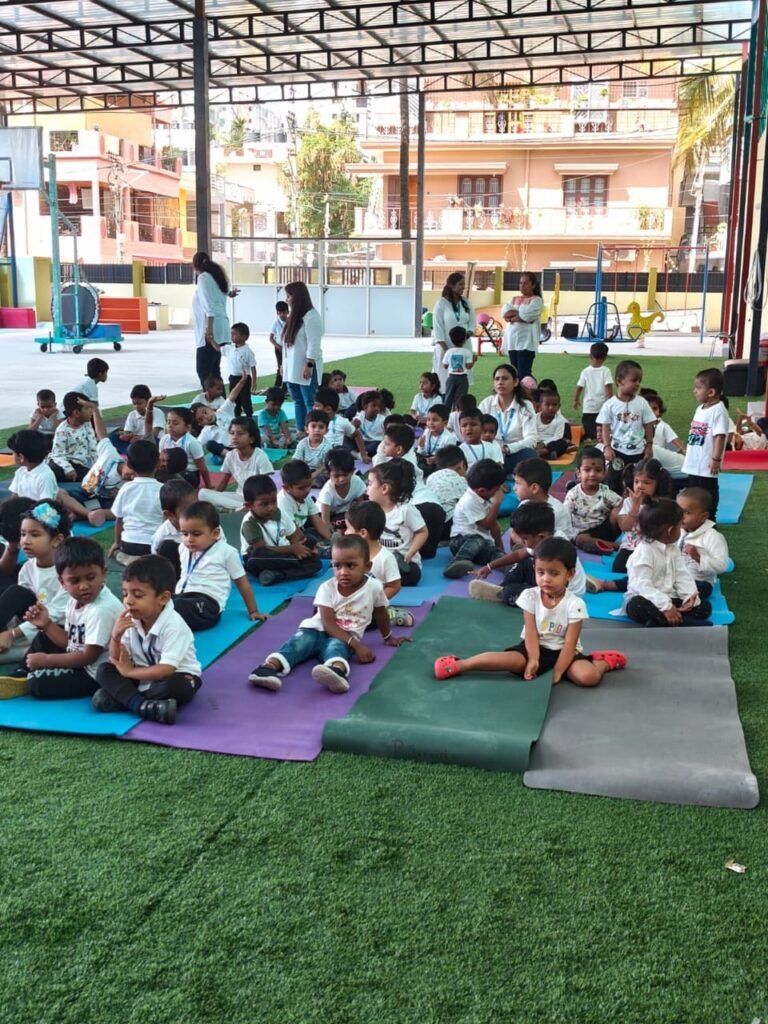
At Krazy Tots International Preschool in Horamavu, Bangalore, early childhood learning can be supported through experiences that encourage curiosity, communication, creativity, and overall development. Parents can complement these experiences at home by spending time outdoors, noticing everyday changes, and allowing children to ask questions.
Children do not need to learn everything in one day. Each small discovery can become a starting point for another question, conversation, or activity.
Learn more about Krazy Tots International Preschool at Krazy Tots International Preschool.