01
Touching Different Textures Builds Awareness
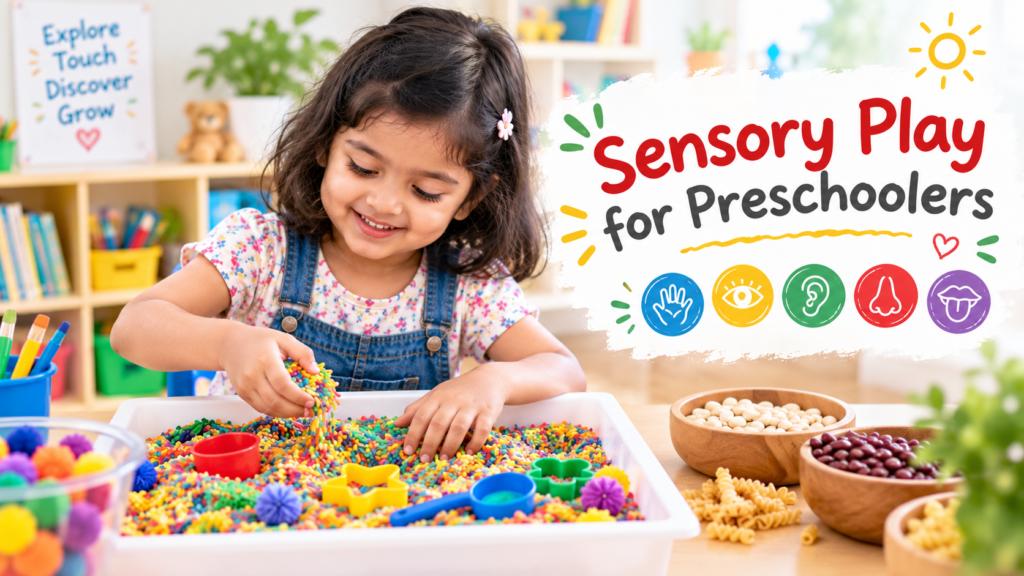
When children touch soft fabric, smooth stones that are too large to swallow, rough cardboard, or squishy dough, they begin noticing how objects feel.
02
Scooping and Pouring Strengthen Hand Control
Activities such as transferring water between containers or scooping large objects with a spoon encourage children to practise controlled hand movements.
03
Exploring Sounds Encourages Listening
Shaking a container filled with large objects, tapping wooden spoons together, or listening to water splash introduces children to different sounds.
04
Sensory Experiences Build Language
Children have many opportunities to describe what they notice during sensory play. They might say that the water is cold, the dough is soft, or the leaves feel dry.
05
Experimenting Develops Early Problem-Solving
What happens when a container is full? Why does a sponge hold water? Which object makes a louder sound? These simple questions encourage children to observe, predict, test, and try again.
06
Open-Ended Play Encourages Creativity
Sensory materials do not always have one correct use. A cardboard box might become a tunnel, a pretend shop, or a container for sorting objects.
How Parents Can Make Sensory Play More Meaningful
Sensory play works best when children feel safe, interested, and free to explore. A few small adjustments can make activities more enjoyable for the whole family.
Follow your child’s interests. If your child likes water play, introduce cups of different sizes or floating toys that are too large to swallow. Build on what already interests them.
Allow repetition. Children often repeat the same action many times. Pouring water again and again or rolling dough repeatedly can help them practise and understand what happens.
Keep expectations realistic. A child may explore materials differently from how an adult expects. Let them investigate safely instead of directing every movement.
Make space for communication. Children may express what they notice through words, gestures, facial expressions, or pointing. Respond to their attempts and introduce simple descriptive language.
Respect sensory preferences. Some children dislike sticky, wet, or rough textures. Never force a child to touch a material. Offer a spoon, brush, or other tool so they can participate comfortably.
Keep activities short when needed. Preschoolers have different attention spans. Finish while the experience is still enjoyable rather than insisting that your child continue.
Include simple cleanup. Encourage your child to return large, safe materials to a basket or help wipe the table. This builds responsibility and independence.
Common Sensory Play Mistakes to Avoid
Sensory play should be enjoyable and safe. Parents can make it more effective by avoiding a few common mistakes.
- Using too many materials at once: Start with a small selection so your child can focus on exploring.
- Expecting a specific outcome: Open-ended play is about discovery, not making a perfect craft.
- Ignoring safety: Check every material for choking risks, sharp edges, toxicity, and possible allergies.
- Forcing messy play: Offer alternatives when a child does not like a texture.
- Turning every activity into a test: Questions can help children think, but constant questioning may interrupt their exploration.
- Leaving children unsupervised: Water, dough, natural objects, and household materials all require age-appropriate supervision.
- Choosing activities that are too difficult: Adapt each activity to your child’s age, abilities, and interests.
Remember that ordinary household objects are not automatically safe toys. Avoid small loose materials such as dry beans, beads, buttons, and uncooked rice when working with young children who may put things in their mouths. Use safer alternatives and supervise closely.
How Preschool Supports Sensory Learning
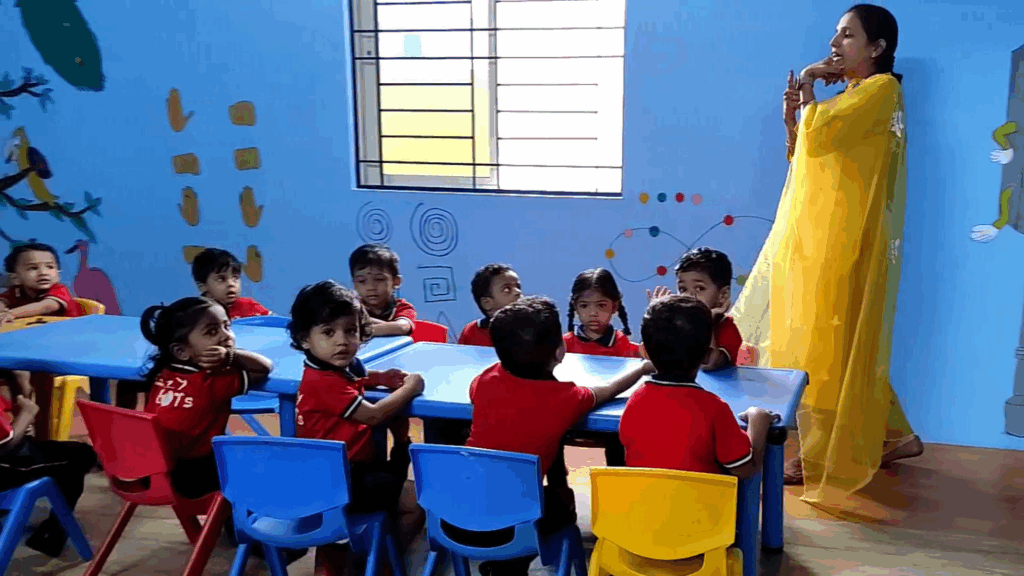
Children benefit from a variety of experiences that allow them to move, observe, listen, create, and explore. At preschool, these experiences can be incorporated into everyday learning through art, music, movement, pretend play, nature observation, and hands-on activities.
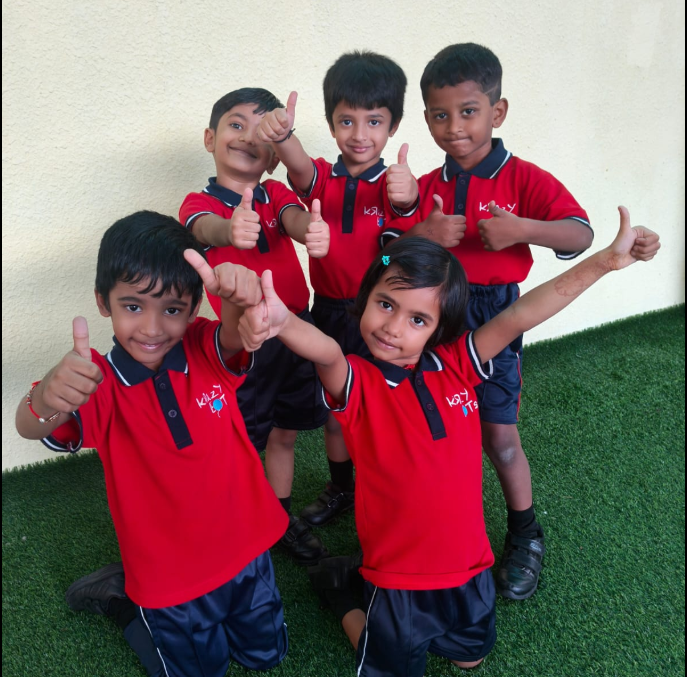
At Krazy Tots International Preschool in Horamavu, Bangalore, early learning can be understood as more than memorising letters and numbers. Children also need opportunities to develop communication, coordination, curiosity, social interaction, and independence through age-appropriate experiences.
Parents can support this learning at home by offering simple activities, allowing children to explore safely, and talking with them about what they discover. Home and preschool experiences can complement each other and give children more opportunities to practise emerging skills.
Learn more about the preschool and its learning approach at https://krazytots.com/.