01
Develops Problem-Solving Skills
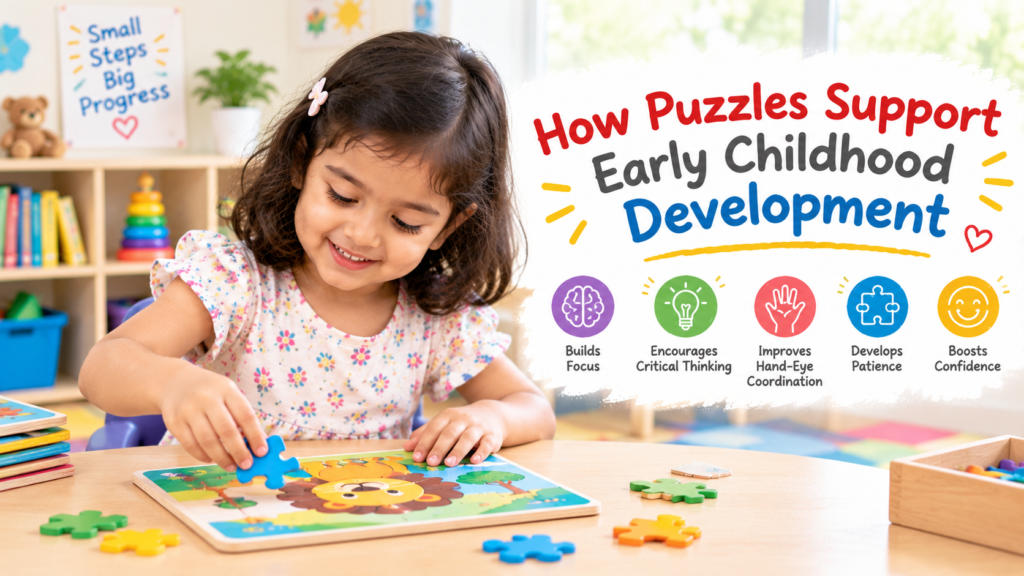
Children need to figure out where each piece belongs. They may compare shapes, check colours, or try a different position when a piece does not fit.
02
Improves Concentration and Attention
Completing a puzzle encourages children to focus on one activity at a time. They may look carefully at a picture, search for a matching piece, and keep working towards finishing the image.
03
Strengthens Visual Recognition
Puzzles help children notice shapes, colours, sizes, patterns, and picture details. They begin recognising how individual pieces relate to the larger image.
04
Builds Fine Motor Skills
Picking up, turning, holding, and placing puzzle pieces involves small hand and finger movements. These actions help children practise hand control and coordination.
05
Encourages Patience and Persistence
Some puzzles take time to complete. A piece may not fit where a child expects, or the picture may look confusing at first. These experiences give children opportunities to pause.
06
Introduces Early Maths and Language
Puzzles can introduce concepts such as shapes, colours, size, position, and matching. Parents can use words such as “under,” “beside,” “corner,” “large,” and “small” while playing.
HOW PARENTS CAN MAKE PUZZLE TIME MORE EFFECTIVE
Let Children Learn at Their Own Pace
The most useful puzzle activity is one that challenges your child without making them feel overwhelmed.
Start with an achievable challenge. Choose puzzles with large pieces and familiar pictures when your child is beginning. Introduce more complex designs gradually.
Give your child time to think. Avoid placing pieces for them as soon as they hesitate. A few extra moments may help them discover the answer.
Celebrate the process. Praise effort and useful strategies, such as noticing a matching colour or turning a piece to find the right position.
Play together when needed. Younger children may benefit from an adult showing them how to compare shapes or look at the picture for clues.
Follow your child’s interests. If your child loves animals, choose animal puzzles. If they enjoy vehicles, try pictures of cars, buses, or trains.
Keep sessions flexible. Stop when your child loses interest or becomes tired. Puzzle time should remain an enjoyable opportunity to explore.
COMMON MISTAKES TO AVOID DURING PUZZLE ACTIVITIES
Parents can make puzzle time more positive by avoiding a few common habits.
Choosing puzzles that are too difficult: A puzzle with too many pieces can frustrate a beginner. Start simply and increase the challenge when your child is ready.
Expecting children to finish quickly: Children need different amounts of time to notice details and work out solutions.
Giving the answer immediately: Offer hints and encouragement before showing where a piece belongs.
Comparing children with others: Each child has different interests, experiences, and learning needs.
Focusing only on completion: Searching, matching, testing, and correcting mistakes are all valuable parts of the learning process.
Using puzzles as a test: Keep the activity playful. Children learn best when they can explore without worrying about making mistakes.
HOW PRESCHOOL SUPPORTS LEARNING THROUGH PUZZLES
Developing Thinking Skills Through Hands-On Activities
Preschool provides children with opportunities to explore materials, recognise patterns, work with shapes, and solve age-appropriate challenges. Puzzles can complement storytelling, counting, sorting, art, and group activities.
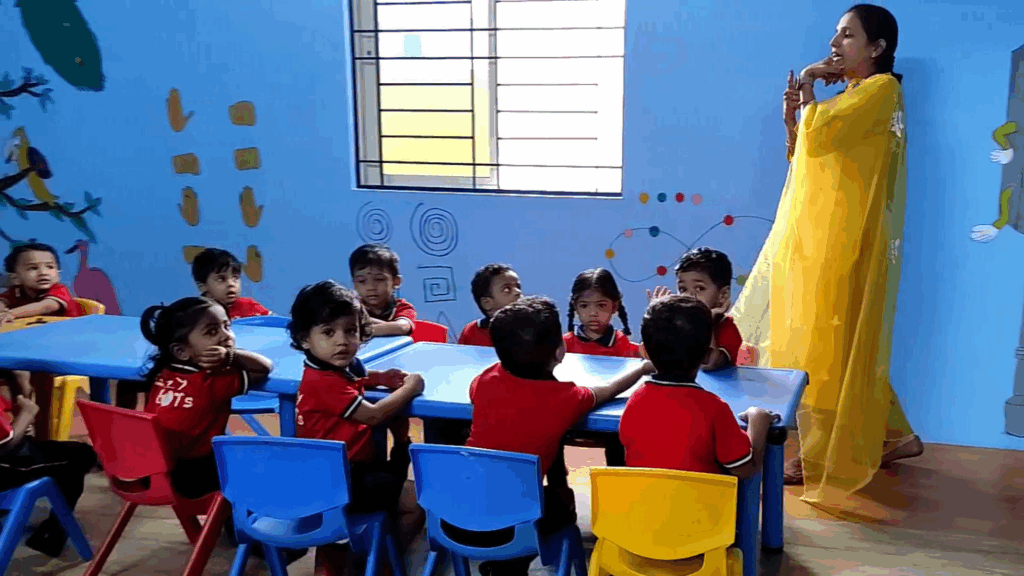
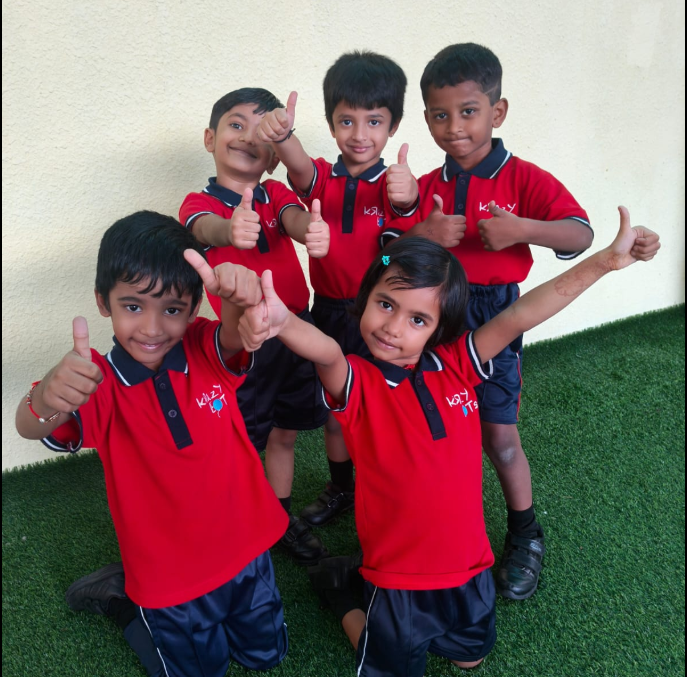
At Krazy Tots International Preschool in Horamavu, Bangalore, age-appropriate hands-on learning experiences can encourage children to observe carefully, explore different ideas, communicate with others, and build confidence through play.
For example, matching activities can introduce colours and shapes, while picture puzzles can encourage children to describe what they see. Working on a puzzle with classmates can also create opportunities to share pieces, ask for help, and discuss different ways to complete a task.
Children develop at different rates, so activities should be suited to their individual abilities and interests. The aim is to provide opportunities for exploration, not to expect every child to complete the same puzzle at the same speed.