01
Listening and Understanding Stories
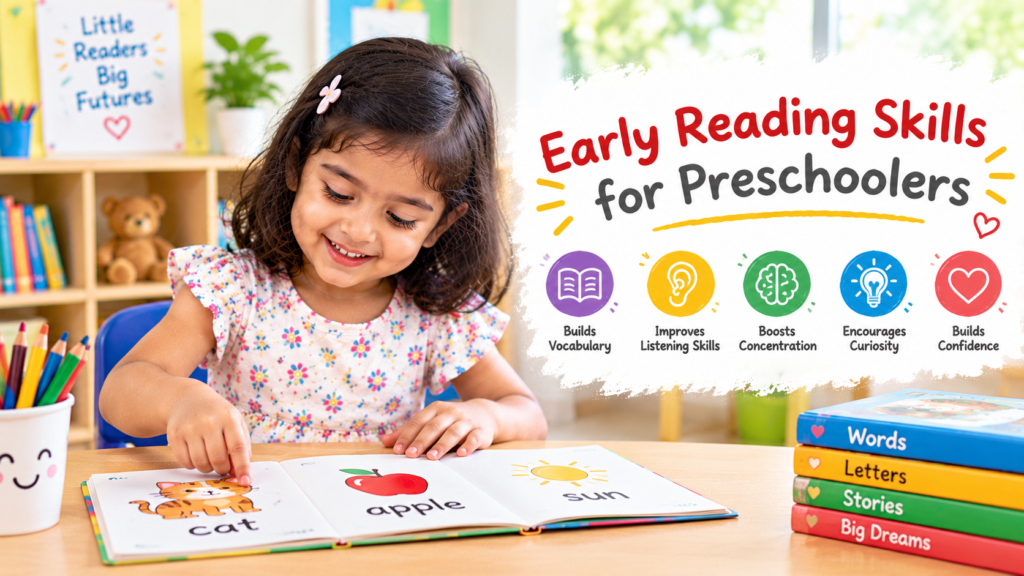
Listening is one of the first steps towards reading. When children listen to stories, they learn new words, understand sentences, and begin following the order of events. Reading a short story aloud and asking simple questions helps develop listening and comprehension skills.
02
Recognising Letters
Children gradually become familiar with the letters of the alphabet through books, puzzles, songs, and everyday objects. Parents can begin with the letters in their child’s name and introduce other letters through playful activities instead of asking children to memorise the entire alphabet at once.
03
Learning Letter Sounds
Understanding the sounds that letters represent helps children prepare for reading unfamiliar words. For example, parents can introduce the sound /b/ through words such as ball, bag, and banana. Short sound games can make this learning easier to remember.
04
Building Vocabulary
Children need to understand words to make sense of what they read. Everyday conversations, picture books, songs, and pretend play expose preschoolers to new vocabulary. When children learn the names of people, objects, actions, and feelings, they become better prepared to understand stories.
05
Understanding Pictures and Print
Picture books teach children that illustrations can tell a story and that printed words carry meaning. Let your child turn the pages, describe what they see, and notice how you follow the words on the page while reading aloud.
06
Developing an Interest in Books
Children learn more naturally when reading feels enjoyable. Let them choose books about animals, vehicles, family life, nature, or their favourite characters. Re-reading a familiar story is helpful too, because children often remember repeated phrases and begin predicting what happens next.
HOW PRESCHOOL SUPPORTS EARLY READING DEVELOPMENT
Learning Language Through Stories, Play, and Interaction
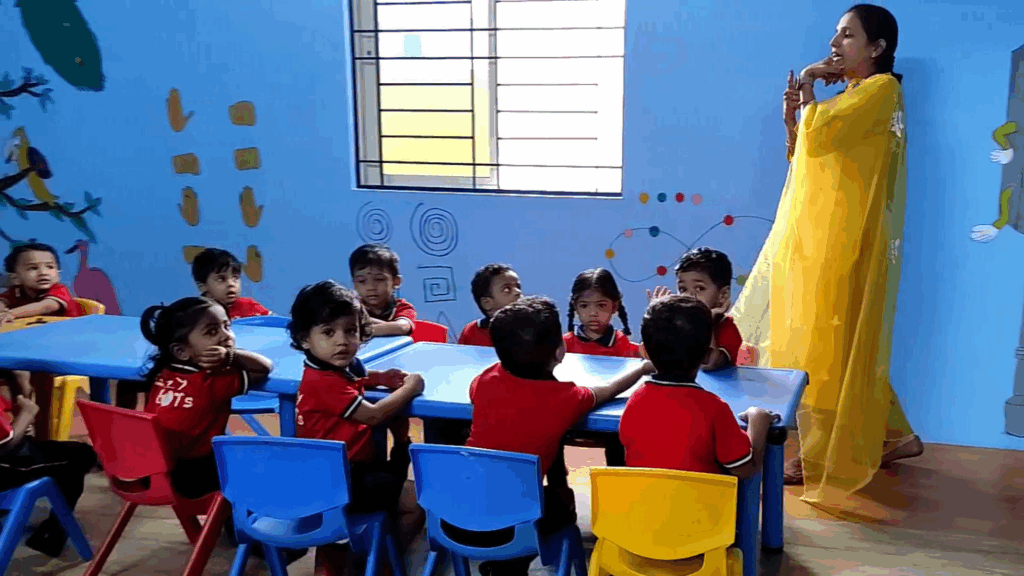
Preschool provides children with opportunities to explore language alongside teachers and other children. Storytelling, rhymes, picture discussions, letter activities, and pretend play can all contribute to early literacy development.
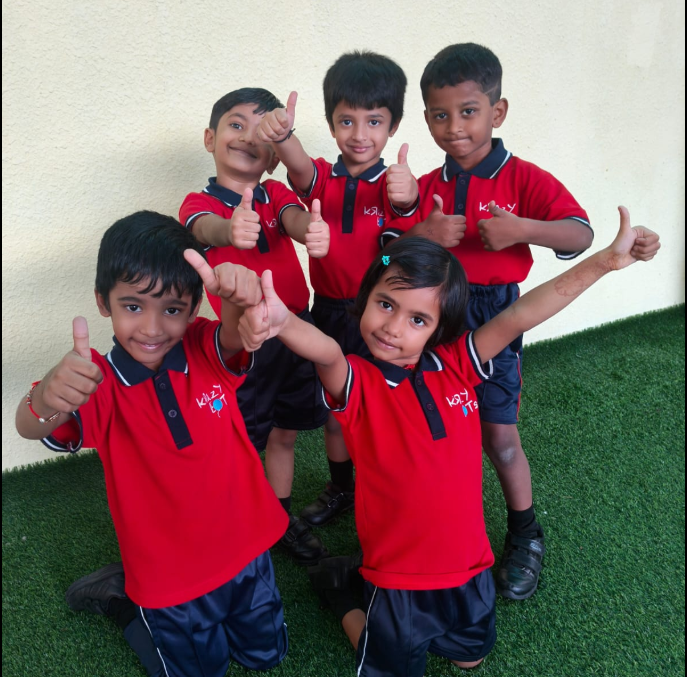
At Krazy Tots International Preschool in Horamavu, Bangalore, early learning can be approached through age-appropriate activities that encourage curiosity, communication, and participation. A supportive preschool environment helps children explore new words, listen to stories, share their thoughts, and gradually become familiar with letters and sounds.
Children also learn by observing others. Listening to classmates answer questions, discussing a picture together, or joining a group rhyme activity gives them opportunities to practise language in meaningful situations.
The aim is to develop a positive relationship with learning, so children feel comfortable asking questions, expressing ideas, and exploring books at their own pace.
COMMON MISTAKES TO AVOID WHEN TEACHING EARLY READING
Parents can support early literacy more effectively by keeping these points in mind.
Avoid rushing children into reading full words. Letter recognition, sound awareness, vocabulary, and listening comprehension all contribute to reading development.
Do not compare siblings or classmates. Children develop different skills at different times, and progress may not happen in a straight line.
Avoid correcting every small mistake. Give gentle guidance and encourage your child to keep trying.
Do not rely only on worksheets. Stories, conversations, songs, games, and real-life experiences provide valuable opportunities to develop early literacy.
Make books enjoyable rather than a reward or punishment. A relaxed reading routine helps children associate books with connection, discovery, and fun.