Fun Activities for Nursery Class Students
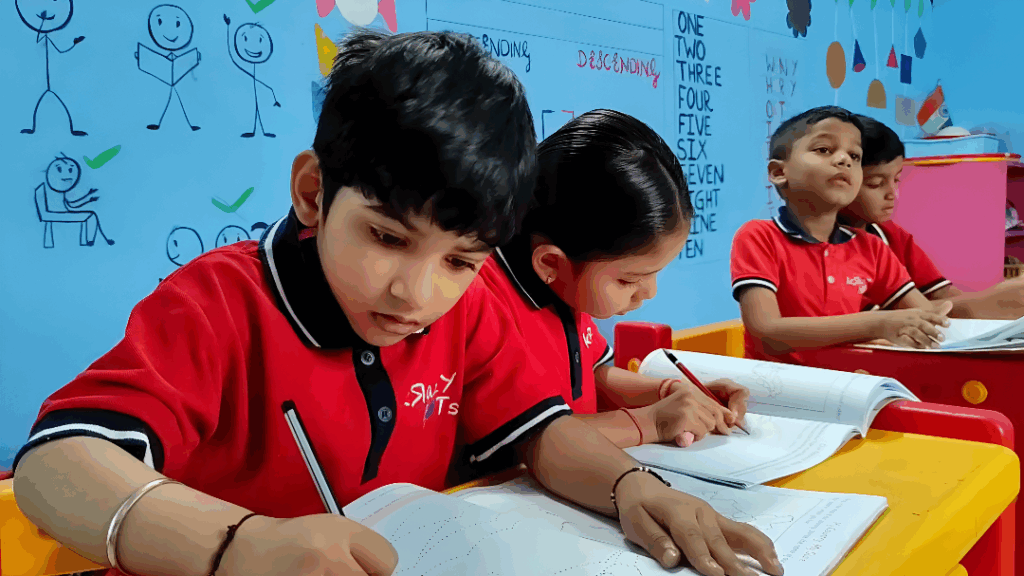
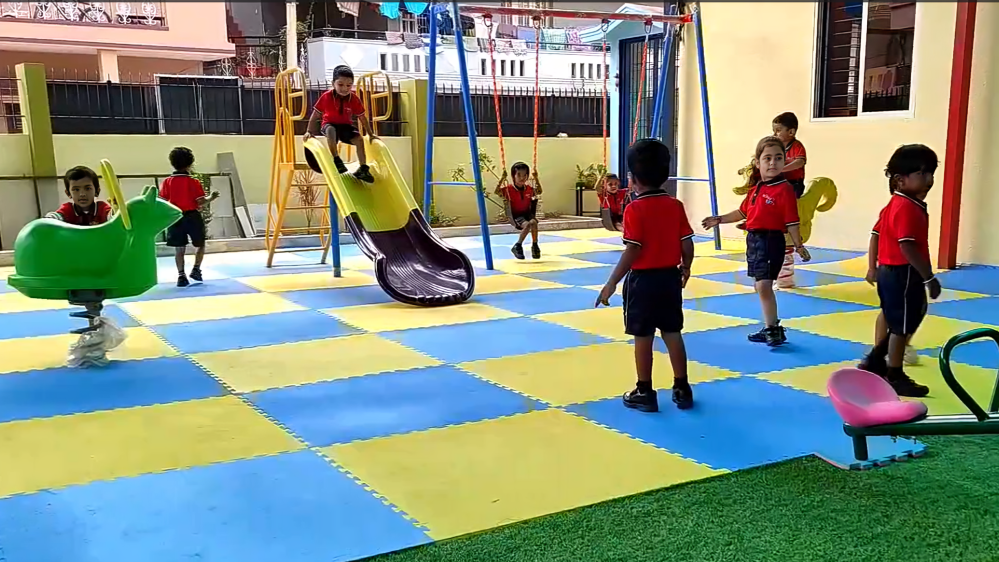
Nursery age is all about learning through play. At this stage, children learn best when activities are hands-on, colourful, and enjoyable. The right activities not only build essential early skills but also help children develop curiosity, confidence, and a love for learning.
Here are some fun and educational activities for nursery class students that support their overall development at Krazy Tots International Preschool.
1. Tracing Alphabet
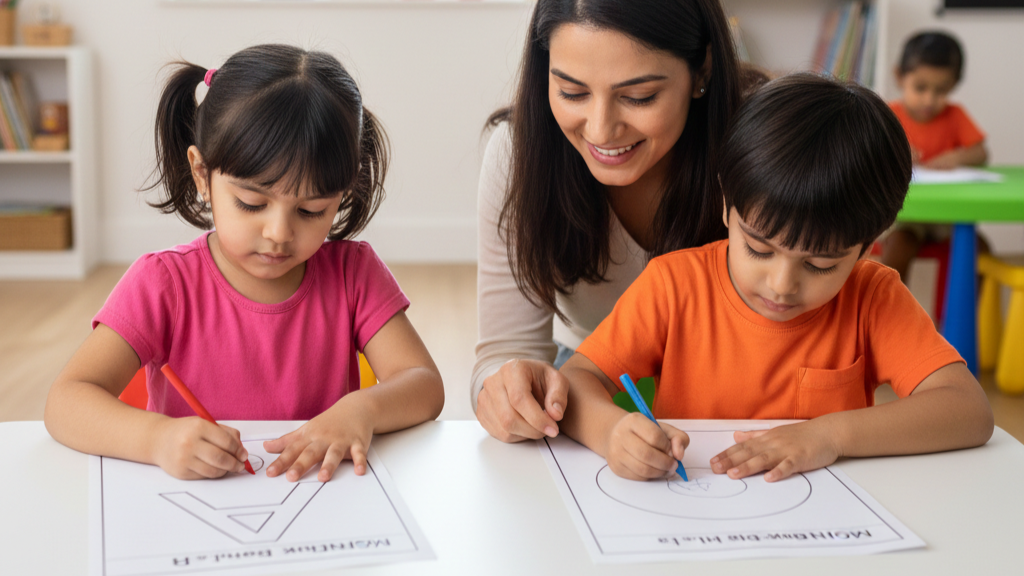
Tracing alphabets is one of the most important pre-writing activities for nursery children. It helps strengthen fine motor skills, improves hand-eye coordination, and increases concentration. As children trace each letter, they slowly begin to recognise letter shapes, which forms the foundation for reading and writing. Repeated practice builds confidence and prepares them for independent writing.
How to do the activity:
Give children worksheets with big, clear, outlined letters. First, encourage them to trace the letters using their fingers. Once they are comfortable, let them trace using crayons or pencils. Offer gentle guidance and praise their efforts to keep them motivated.
2. Tracing Shapes
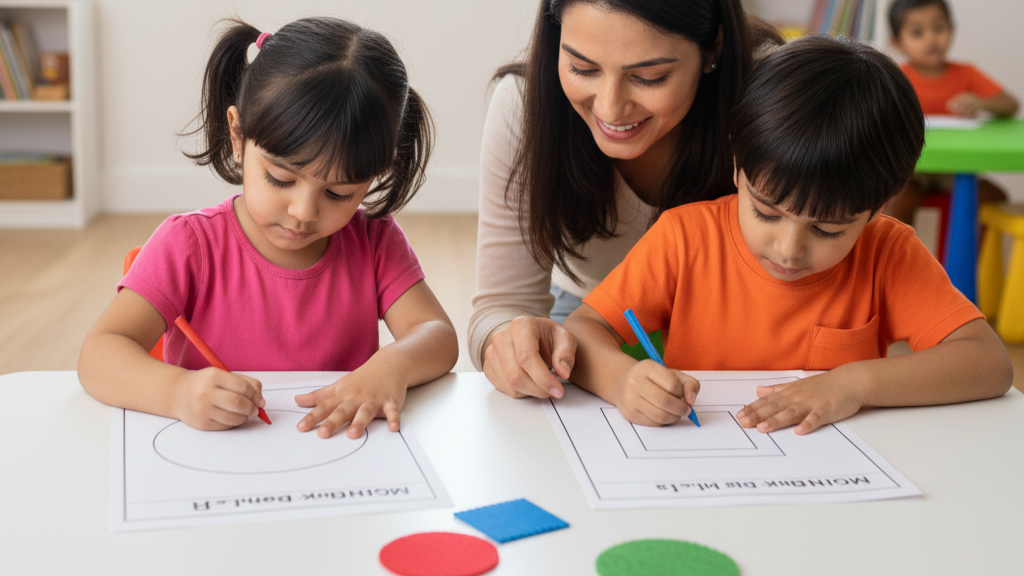
Tracing shapes introduces children to basic geometry concepts at an early age. This activity improves fine motor control, spatial awareness, and visual recognition. It also helps children identify and remember common shapes, which later supports their understanding of mathematics.
How to do the activity:
Draw simple shapes like circles, squares, and triangles on plain sheets. Ask children to trace them using fingers, crayons, or pencils. To make it more engaging, you can use textured materials like sand, wool, paper, or fabric cut-outs and let children stick them onto matching shapes.
3. Vegetable Stamping
Vegetable stamping is a fun sensory activity that encourages creativity and colour recognition. Children enjoy exploring different colours, textures, and shapes found in everyday vegetables. This activity also helps them observe patterns and enhances their imagination.
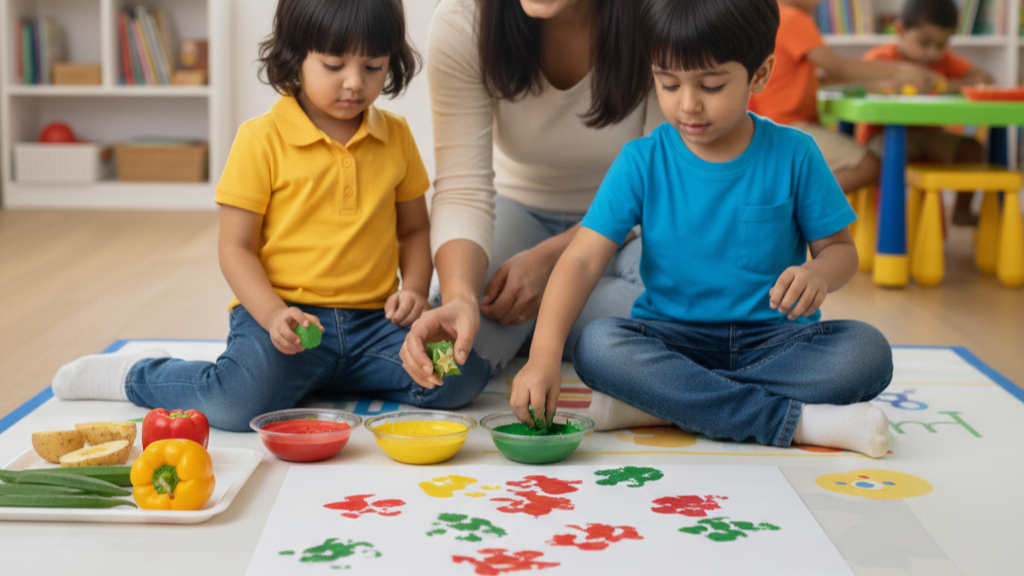
How to do the activity:
Use vegetables such as okra, potatoes, or bell peppers. Dip them in different colours of paint and show children how to stamp them onto paper. Encourage them to experiment with colours and patterns freely.
4. Colour Sorting
Colour sorting helps children learn colour recognition, grouping, and categorising. By sorting objects, children develop early logical and mathematical thinking skills and learn to identify similarities and differences.
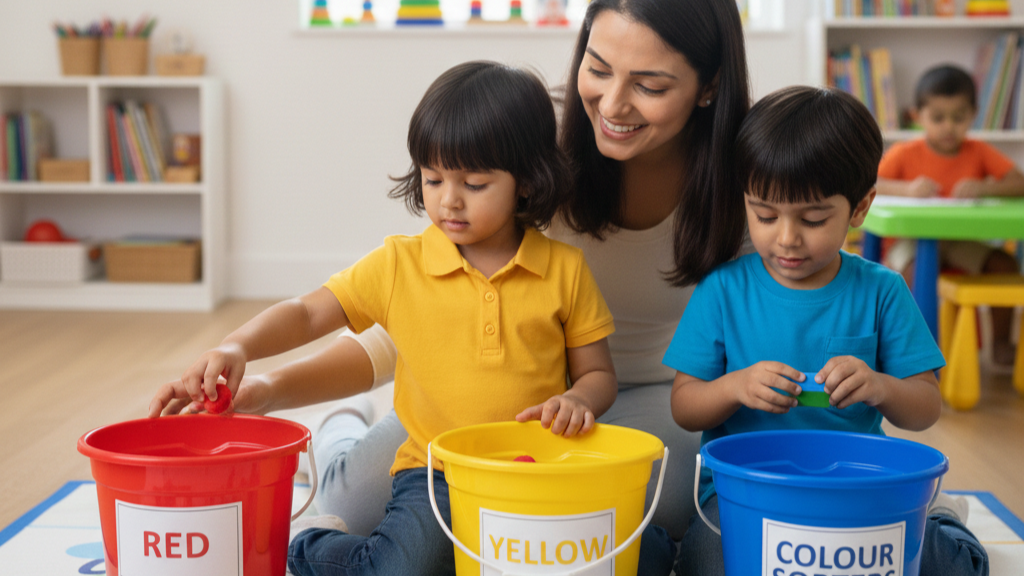
How to do the activity:
Provide colourful objects like blocks, pom-poms, or buttons along with separate containers. Label each container with a colour and demonstrate how to place matching objects into the correct container. Let children continue sorting on their own.
5. Sorting Letters
Letter sorting strengthens alphabet recognition and builds early reading readiness. It helps children visually distinguish between letters and understand basic patterns, which are essential for literacy development.
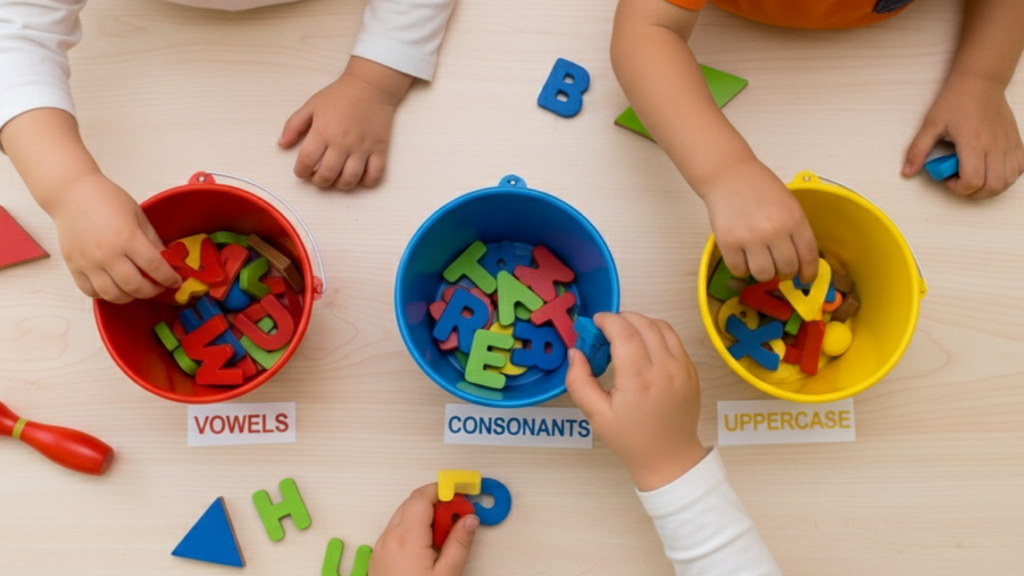
How to do the activity:
Give children plastic, wooden, or foam letters. Ask them to sort letters into groups such as vowels and consonants or uppercase and lowercase letters. This activity can be done individually or in small groups.
6. Connecting Dots
Connecting dots is a playful way to develop number recognition, sequencing, and fine motor skills. It teaches children to follow instructions, understand order, and complete tasks—important skills for early math and problem-solving.
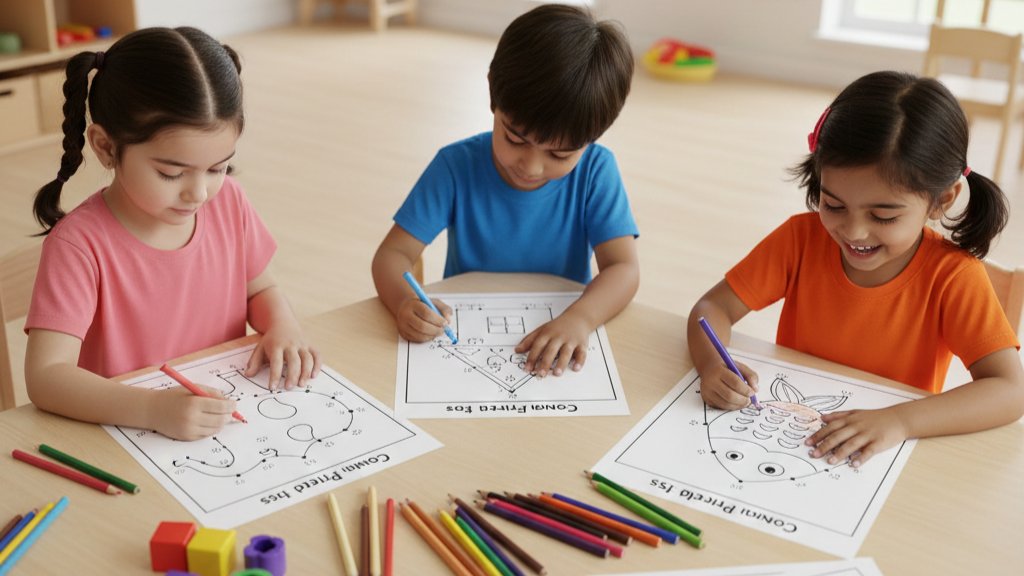
How to do the activity:
Provide worksheets with numbered dots that form simple pictures. Ask children to connect the dots in sequence using a crayon or pencil, and then colour the completed picture.
7. Music Making
Music activities support auditory development, rhythm awareness, and self-expression. Making music helps children improve listening skills, coordination, and creativity while also laying the foundation for language development.
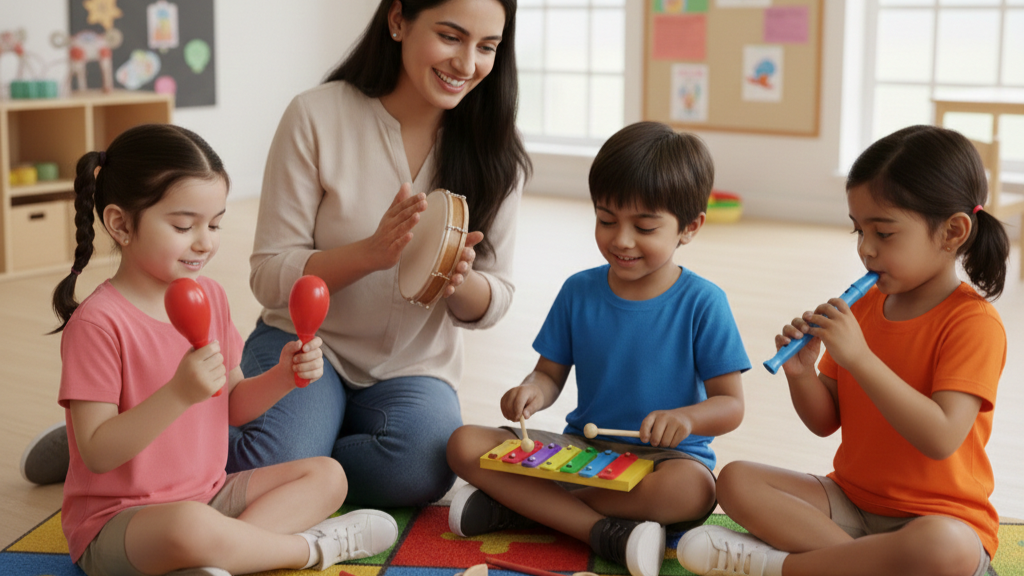
How to do the activity:
Provide simple instruments like drums, shakers, tambourines, flutes, or mouth organs. Let children explore sounds freely, create rhythms, or play along with simple songs.
8. Yoga
Yoga promotes physical fitness, flexibility, and body awareness in young children. Breathing exercises help calm the mind, reduce stress, and support emotional regulation, helping children stay focused and relaxed.
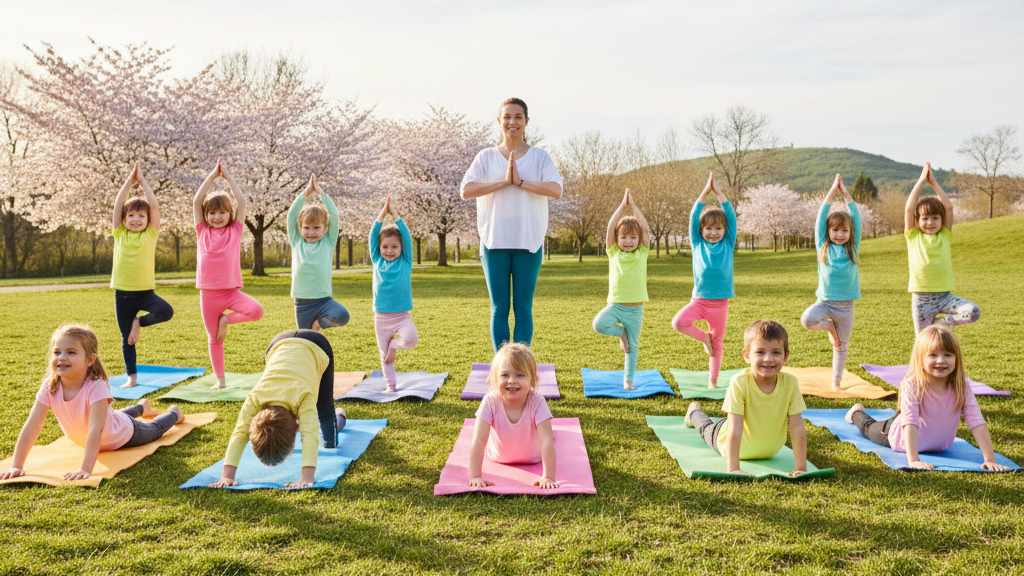
How to do the activity:
Teach simple yoga poses such as deep breathing, tree pose, or downward dog. Guide children gently and encourage slow breathing to help them feel calm and balanced.
9. Puzzles
Puzzles help children develop problem-solving skills, patience, and spatial awareness. As children fit pieces together, they learn to focus, think logically, and see how parts come together to form a whole.
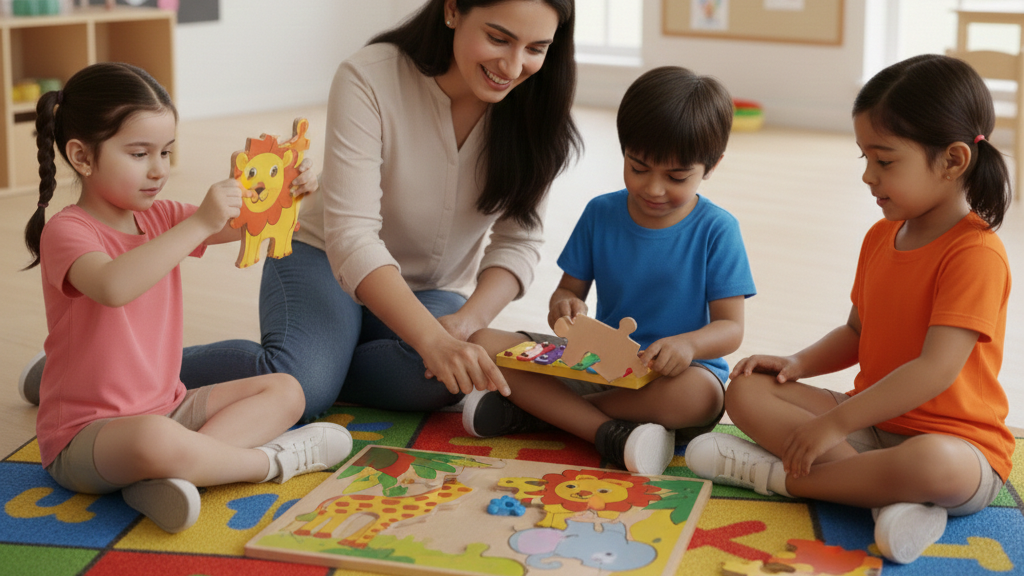
How to do the activity:
Choose age-appropriate puzzles with large, colourful pieces. Show children how to start with corners or edges and gradually complete the puzzle.
10. Hopscotch
Hopscotch is a fun physical activity that improves balance, coordination, and gross motor skills. It also helps children learn number sequencing and rhythm while keeping them active.
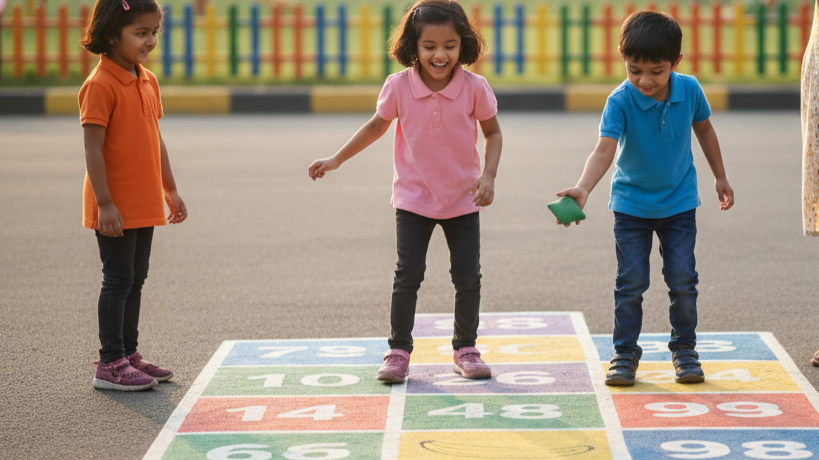
How to do the activity:
Draw a hopscotch grid using chalk or tape. You can add numbers, letters, fruits, animals, or colours in each box. Encourage children to hop through the grid while counting or naming the items aloud.
Conclusion of Fun Activities for Nursery Class Students
These fun nursery activities help children learn essential skills while enjoying every moment of their early school experience in Krazy Tots International Preschool. When learning feels like play, children naturally become more confident, curious, and eager to explore the world around them.